
The Ultimate 2026 Guide to Royalty-Free Music for Shops: Securing Your InStore Vibe
Stop risking massive copyright fines with personal streaming apps. Here is a comprehensive 1500-word deep dive into why Tringbox is the safest, most effective InStore music solution for your retail business.
By
Kavya Reddy
Published
Jul 4, 2026
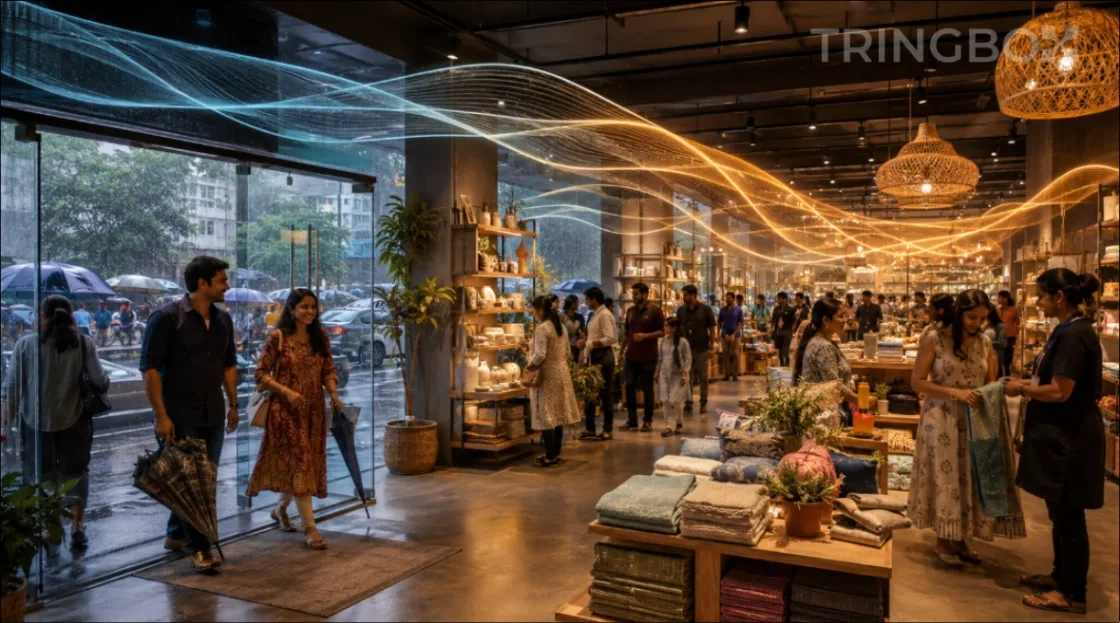
When modern retail owners and franchise managers search for 'music for shops,' they are typically trying to solve an immediate, highly noticeable problem: the awkward, uncomfortable silence on their retail floor. The immediate reflex for most operators is to search for generic 'royalty-free music' on YouTube, or worse, simply connect a staff member's smartphone to the PA system and play a personal Spotify, Apple Music, or YouTube Music playlist. However, taking this casual, unmanaged approach with your InStore audio is one of the most dangerous operational and legal mistakes a modern business can make. Consumer streaming platforms strictly prohibit commercial public performance in their terms of service. Playing them openly in your business immediately exposes you to sudden, highly expensive legal audits from aggressive copyright enforcement agencies like IPRS (Indian Performing Right Society) and PPL (Phonographic Performance Limited). Furthermore, even if you manage to find legally free music online, generic stock audio usually sounds cheap, repetitive, and entirely disconnected from your brand's identity, which actively drives away premium customers and ruins your visual merchandising efforts. That is exactly why progressive Indian retailers are upgrading their sensory strategy to Tringbox. We provide 100% legal, high-quality, pre-cleared tracks designed specifically for commercial environments. This comprehensive guide breaks down the severe legal realities of InStore audio, the psychological impact of music on consumer behavior, and everything you need to know about keeping your shop legally compliant while sounding absolutely world-class.
1. The Harsh Legal Reality of Playing Music in Indian Shops
2. The Psychology of Shopper Dwell Time and Audio Branding
3. Eradicating Audio Fatigue to Protect Staff Productivity
4. Built Specifically for the Realities of Indian Infrastructure
5. Ultimate Enterprise Control for Multi-Outlet Franchises
6. Frequently Asked Questions (Q&A)
A: No. In the commercial audio industry, 'royalty-free' means you do not have to pay unpredictable, variable performance royalties to external copyright agencies (like IPRS) every time a song is played. You simply pay a highly affordable, flat-rate SaaS (Software as a Service) subscription to Tringbox. In return, we provide the enterprise software, the automated AI curation, and full legal access to the pre-cleared commercial music catalog.
A: Absolutely not. We understand that custom hardware breaks, requires heavy IT maintenance, and takes up valuable counter space. Tringbox is completely hardware-agnostic. You simply download our lightweight software application onto the existing Windows PC, Android tablet, or iPad that you already use for your billing POS system, and connect it directly to your existing store amplifiers via a standard auxiliary cable or Bluetooth connection.
A: Yes, absolutely. If your physical location is wired for multi-zone audio (with separate amplifiers for different areas), Tringbox handles this seamlessly. Through the dashboard, you can route a high-energy, fast-paced retail profile to the grocery floor to keep the carts moving, while simultaneously routing a deep, premium, low-tempo profile to the electronics zone to encourage high-ticket browsing, all managed from a single device.
Conclusion
Securing the optimal music for your shop is no longer just about throwing on a playlist to fill the silence; it is a critical operational strategy about protecting your enterprise from devastating legal audits while simultaneously building a premium, highly calibrated atmosphere that actively drives revenue. Stop risking heavy financial penalties with illegal consumer streaming apps, and stop annoying your walk-in customers and staff with cheap, repetitive stock audio loops. Treat your InStore audio with the same professional respect you give to your interior design and visual merchandising. Upgrade your retail operations to Tringbox today to secure 100% legal, royalty-free InStore music powered by intelligent AI, and take absolute, uncompromising control of your retail vibe.
Never miss music licensing & industry updates
Add Tringbox as a preferred source to see our breakthrough guides, PPL/IPRS compliance updates, and acoustic trends first on Google Search & Discover.
Recommended for you
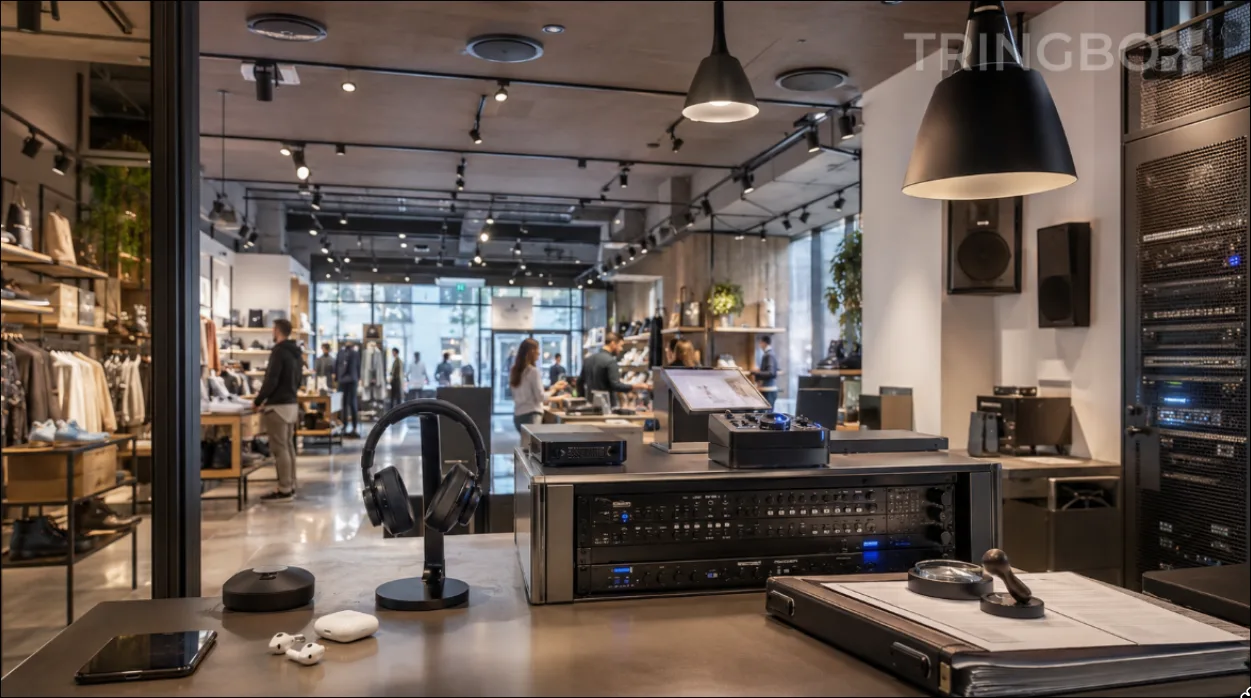
Why Spotify and Apple Music Are Not Business Music Systems
Spotify and Apple Music are undeniably extraordinary consumer products. They feature sleek, world-class user interfaces, host infinite music libraries spanning tens of millions of songs, and can be activated on any smartphone in a matter of seconds. That exact convenience is precisely why retail store clerks, cafe baristas, and restaurant supervisors instinctively plug their personal phones into the store amplifier whenever background music is required.
However, consumer streaming and enterprise business audio are two completely different use cases—both contractually and operationally. Paying for a personal Spotify Premium or Apple Music individual subscription does not give a business the legal or operational right to broadcast that audio across a commercial venue.
When multi-location enterprises rely on consumer apps, they expose their brand to catastrophic statutory copyright fines, destroy store-level governance, and subject their customers to unpredictable, off-brand playlists. In this comprehensive guide, we unpack the explicit legal terms governing consumer streaming in India, examine the operational vulnerabilities of personal apps, and demonstrate why dedicated platforms like Tringbox AI are essential for enterprise brand protection.
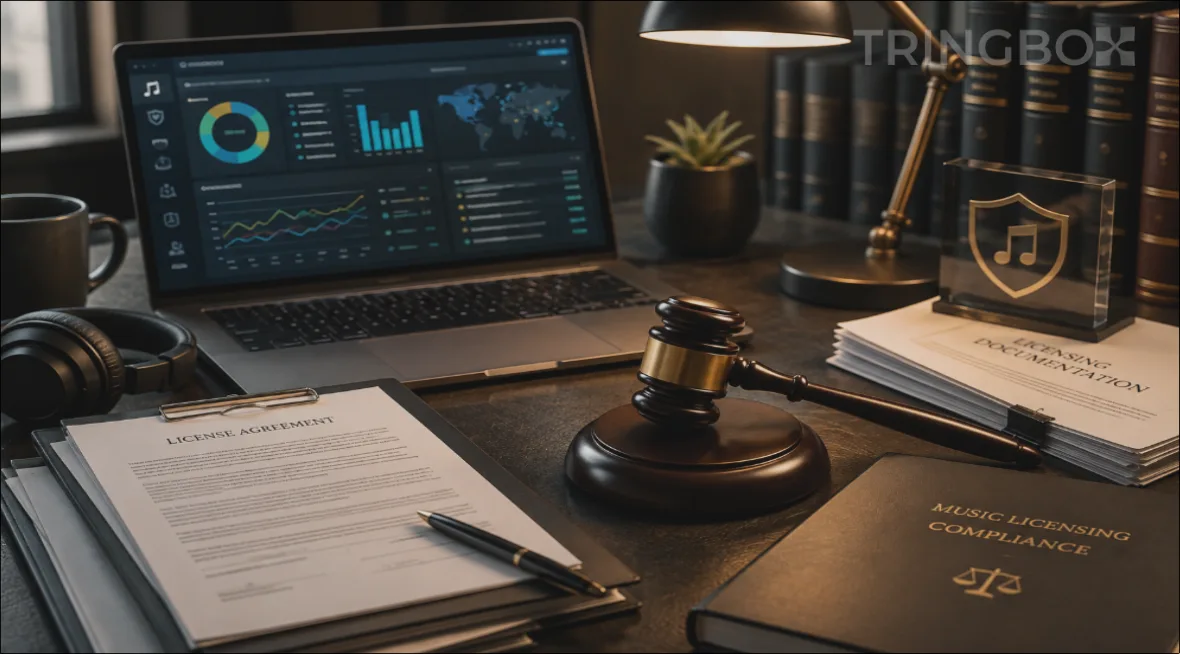
Commercial Music Licensing in India in 2026: A Practical Rights Map for Businesses
Commercial music licensing becomes confusing when businesses ask one broad question: “Is this song licensed?” A more useful approach is to ask which right, for which use, in which repertoire, and by whom. In 2026, that distinction is especially important because Phonographic Performance Limited (PPL India) was officially reinstated as a copyright society for sound recordings by the Government of India on 11 June 2026. PPL's current materials describe public-performance licensing for its represented sound-recording repertoire. Concurrently, IPRS publishes licensing information for musical works and accompanying literary works. This article serves as an operational overview for multi-location brands—not formal legal advice.
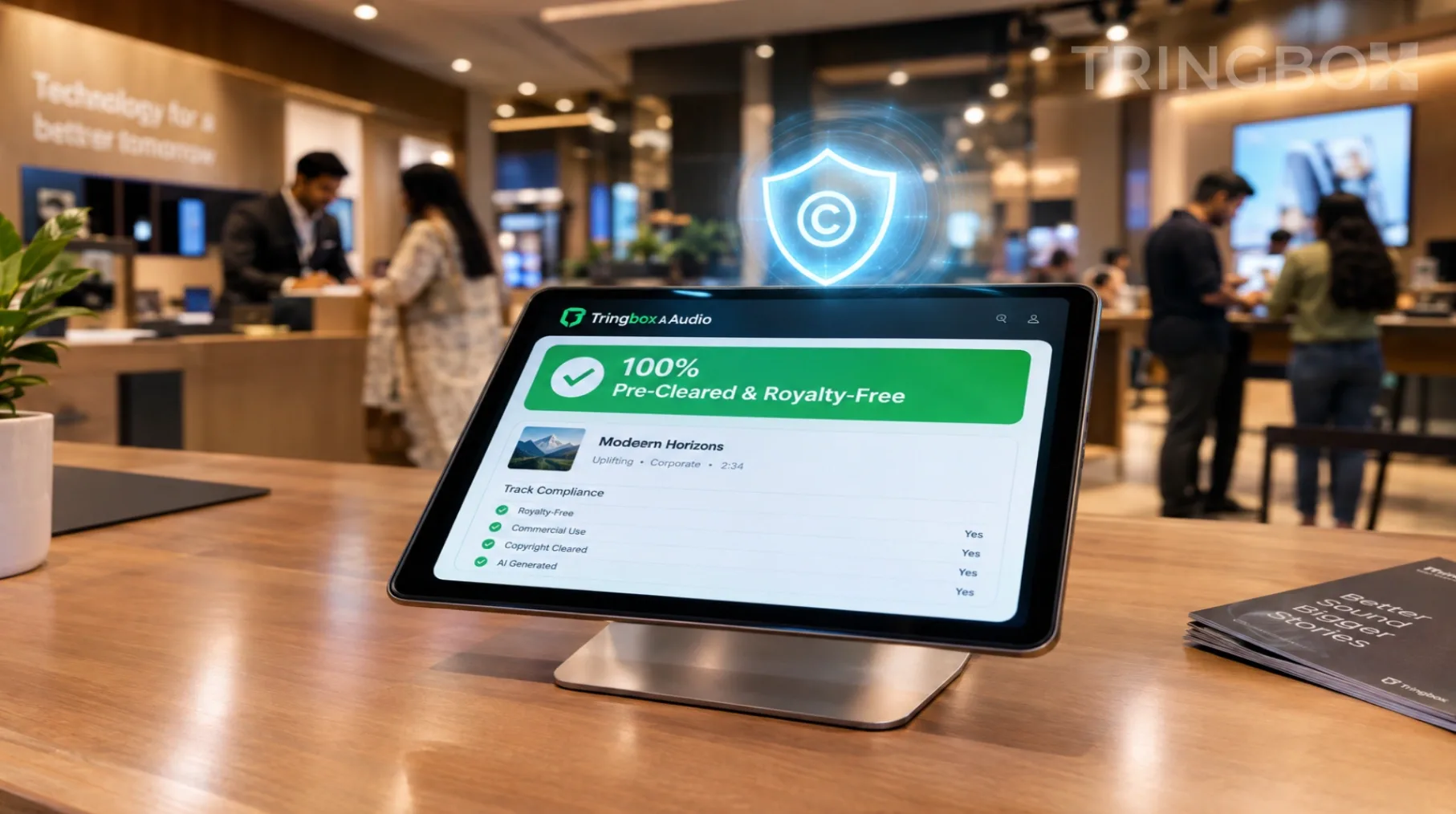
Navigating the 2026 AI Copyright Rulings: Why Commercial Brands Must Avoid Unverified Generative Audio
The commercial music landscape in late 2026 is defined by unprecedented legal scrutiny surrounding artificial intelligence. Specifically, international and Indian courts are aggressively targeting generative AI audio platforms that were trained on copyrighted musical works without explicit authorization from original rights holders. For multi-location Retail Stores, Hotels, and Cafes, the temptation to drastically cut licensing costs by broadcasting cheap, fully synthetic, AI-generated background music has become a catastrophic legal trap. Recent high-profile rulings have made it unequivocally clear: utilizing music generated by unlicensed machine learning models in a public commercial setting carries the exact same, if not substantially greater, legal liability as pirating traditional studio tracks. Corporate legal teams are now blacklisting generative audio tools to avoid massive enterprise liability. This comprehensive guide breaks down the recent regulatory shifts of 2026 and explains why Tringbox's specific architectural approach—using Agentic AI strictly to curate and schedule, rather than to generate audio—provides the ultimate legal firewall for your business.
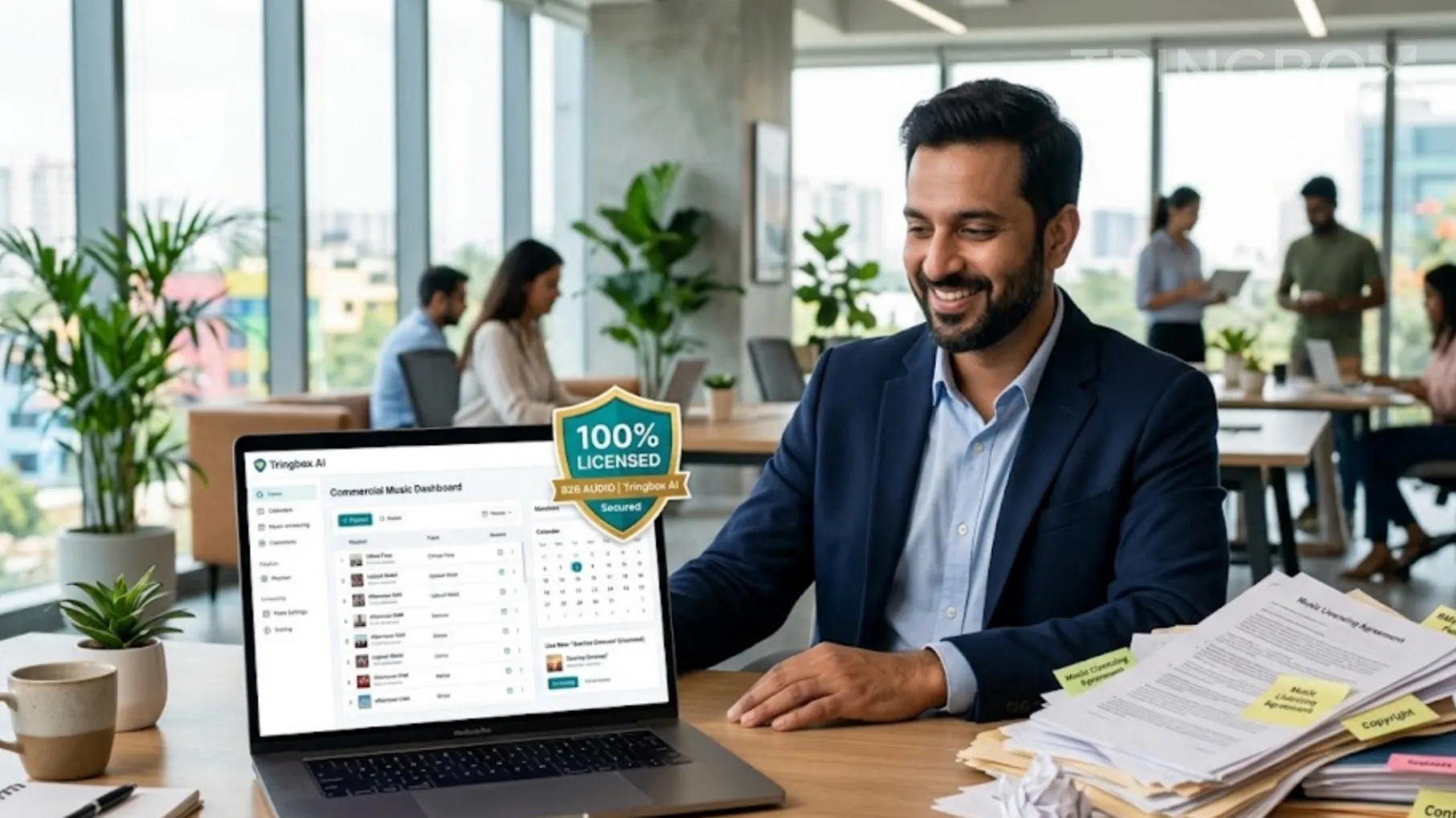
Why Music Licensing Is a Headache for Businesses and How Tringbox AI Simplifies It
Music inside a commercial space is no longer just a nice-to-have background layer. It is part of how a customer reads the brand before speaking to staff, before scanning a menu, before entering a trial room, and before making a purchase decision. A store can have great lighting, good fragrance, trained teams and premium interiors, but if the music does not match the moment, the overall ambience can still feel disconnected. For modern retail, hospitality, wellness and office brands, the challenge is not simply to play songs. The challenge is to shape a repeatable emotional experience across many physical locations, many time slots and many customer moods. This is where Tringbox AI positions music as an operating system for ambience, not as a playlist dumped into a speaker. The core promise is simple: reduced licensing headache for commercial music usage. For Tringbox, this is not a cosmetic feature. It is a way to make every physical space feel more intentional, more aligned with the brand and more responsive to the customer moment.
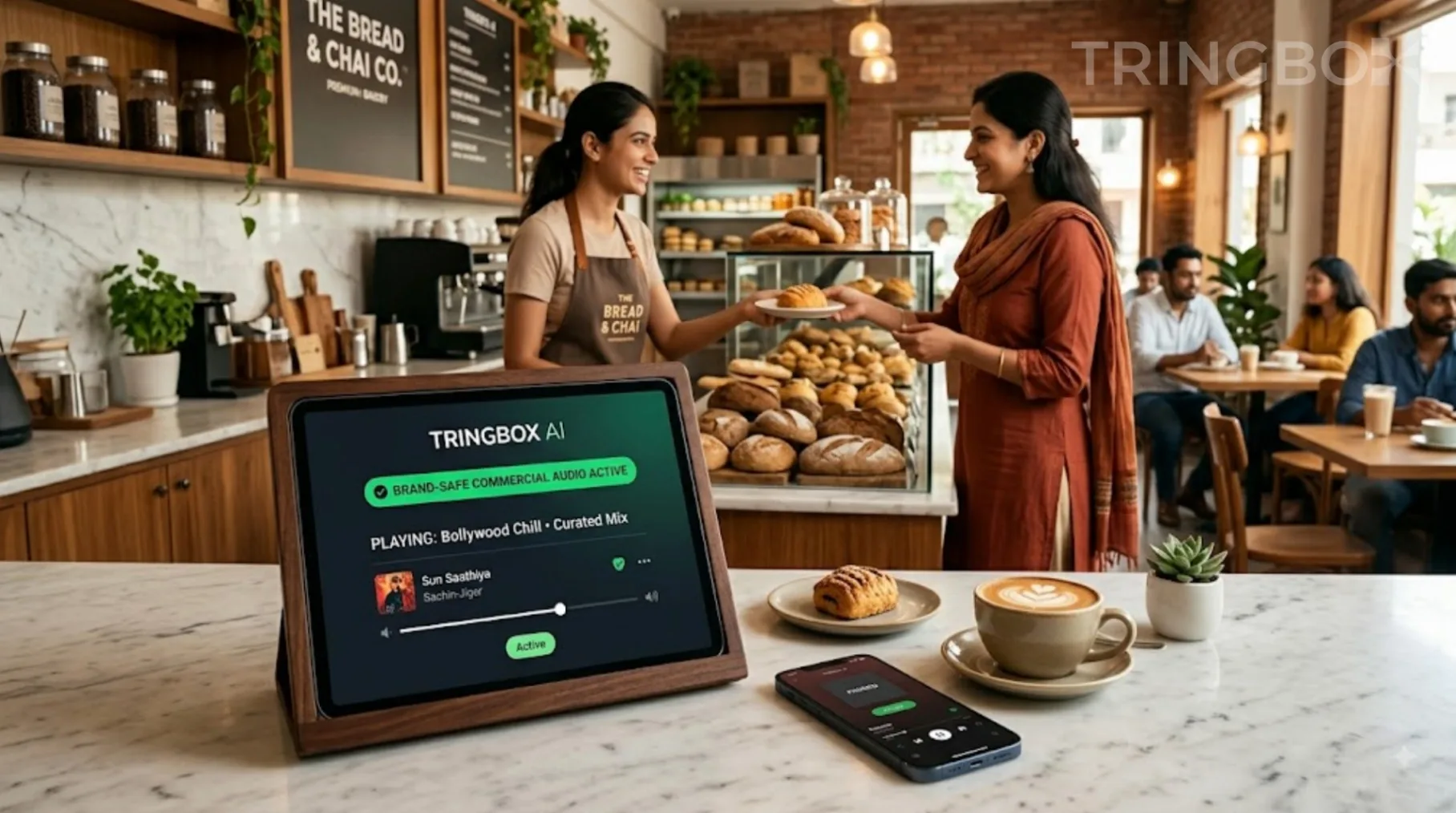
Brand-Safe Music Experiences: Why Commercial Spaces Need More Than Personal Playlists
Music inside a commercial space is no longer just a nice-to-have background layer. It is part of how a customer reads the brand before speaking to staff, before scanning a menu, before entering a trial room, and before making a purchase decision. A store can have great lighting, good fragrance, trained teams and premium interiors, but if the music does not match the moment, the overall ambience can still feel disconnected. For modern retail, hospitality, wellness and office brands, the challenge is not simply to play songs. The challenge is to shape a repeatable emotional experience across many physical locations, many time slots and many customer moods. This is where Tringbox AI positions music as an operating system for ambience, not as a playlist dumped into a speaker. The core promise is simple: reduced licensing headache for commercial music usage. For Tringbox, this is not a cosmetic feature. It is a way to make every physical space feel more intentional, more aligned with the brand and more responsive to the customer moment.
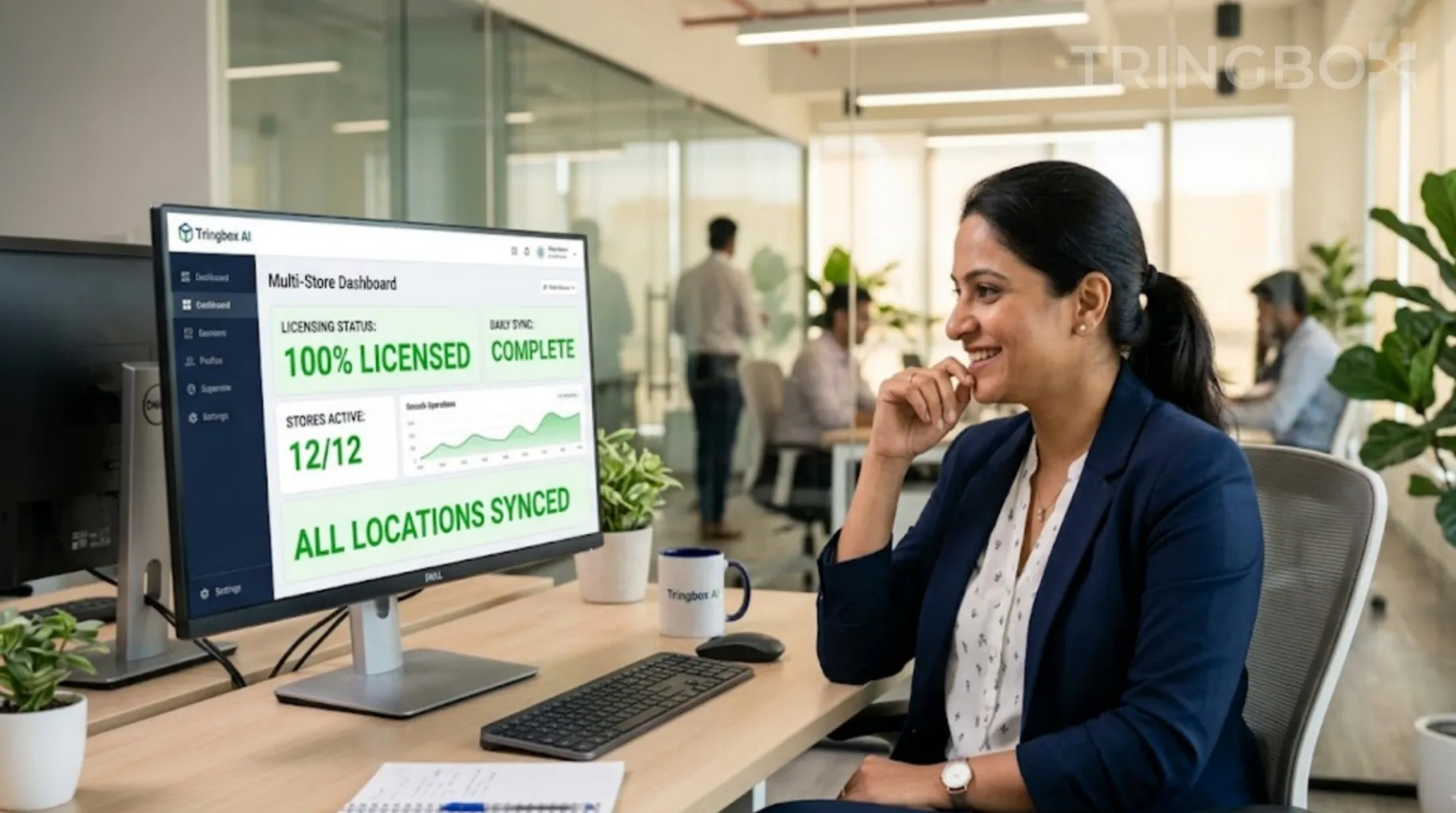
Licensed Background Music Without the Daily Back-and-Forth
Music inside a commercial space is no longer just a nice-to-have background layer. It is part of how a customer reads the brand before speaking to staff, before scanning a menu, before entering a trial room, and before making a purchase decision. A store can have great lighting, good fragrance, trained teams and premium interiors, but if the music does not match the moment, the overall ambience can still feel disconnected. For modern retail, hospitality, wellness and office brands, the challenge is not simply to play songs. The challenge is to shape a repeatable emotional experience across many physical locations, many time slots and many customer moods. This is where Tringbox AI positions music as an operating system for ambience, not as a playlist dumped into a speaker. The core promise is simple: reduced licensing headache for commercial music usage. For Tringbox, this is not a cosmetic feature. It is a way to make every physical space feel more intentional, more aligned with the brand and more responsive to the customer moment.
Sangeet Dwar and Unified Licensing: The New Era of Indian Music Compliance
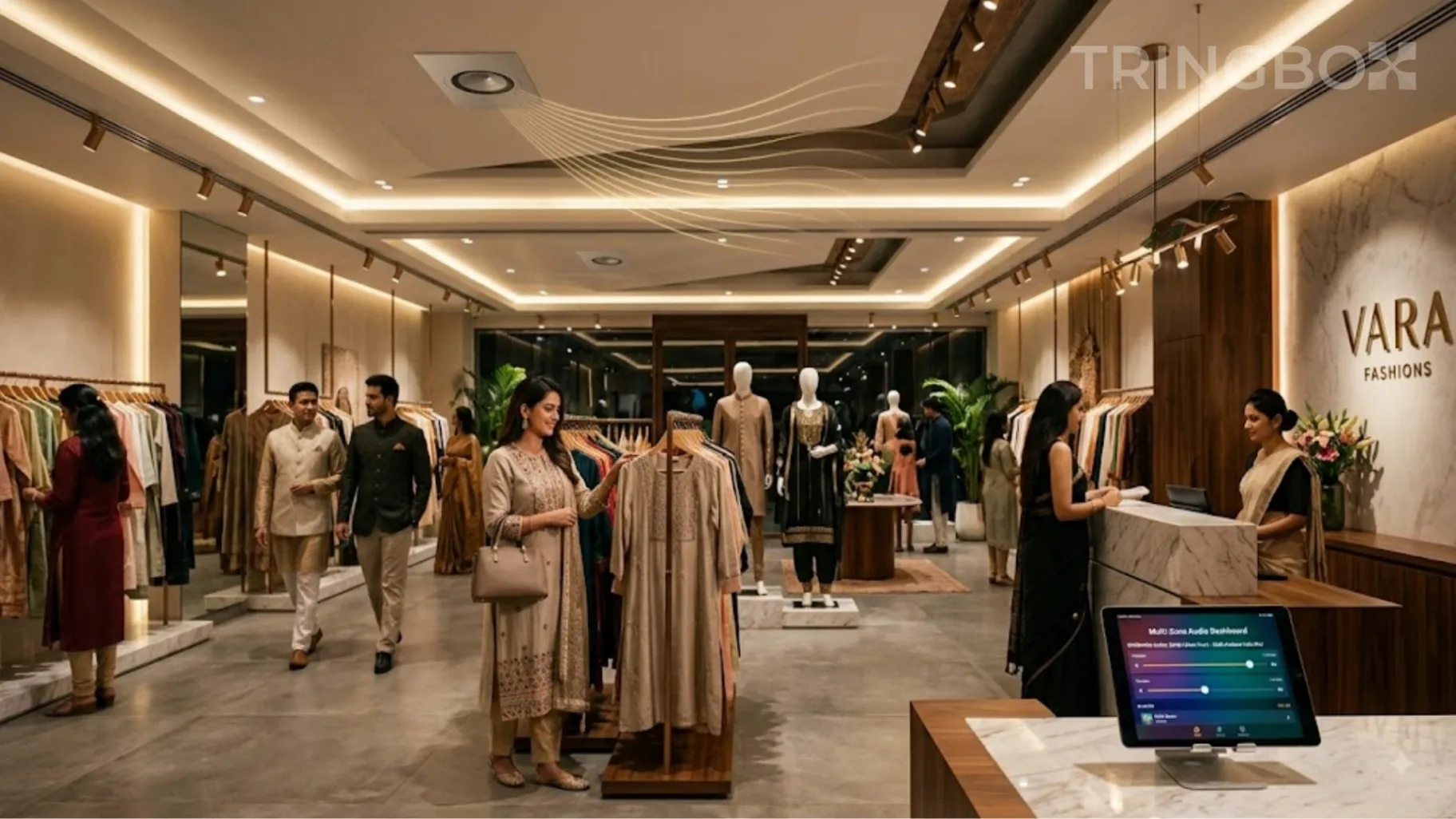
The Indian commercial music licensing ecosystem has entered a decisive era of digital centralization and strict legal oversight. Driven by the 2026 soft launch of **Sangeet Dwar**—a landmark single-window public-performance licensing initiative bringing together major rights organizations including IPRS, PPL, Novex, and RMPL—the rules governing background music in physical venues have been fundamentally reshaped. Concurrently, Indian courts are demonstrating zero tolerance for public performance copyright violations, demanding rigorous compliance from businesses across hospitality, retail, and entertainment sectors. For multi-location Cafes, fitness gyms, and retail chains, navigating this complex regulatory web manually is no longer viable. Tringbox bypasses this administrative friction entirely by delivering a zero-hardware, 100% royalty-free operating system that fundamentally eliminates the need to interface with external copyright societies while guaranteeing ironclad legal security.
PPL India's 2026 Reinstatement: Why Retail Music Audits Are About to Skyrocket
The Indian commercial music licensing ecosystem has undergone profound structural transformations, establishing rigorous frameworks for public performance and sound recording rights. For businesses operating a Retail Store, cafe, restaurant, hotel, or fitness gym, this regulatory shift signals a dramatic tightening of copyright enforcement across every major commercial sector. Historically, many commercial establishments exploited fragmented oversight, relying on informal playlists, personal consumer streaming accounts, or unverified licensing arrangements to soundtrack their physical venues. Today, major rights organizations and collective administration bodies are actively utilizing unified digital portals and empowered enforcement mechanisms to audit retail and hospitality spaces. Unannounced compliance checks have transformed from a minor operational oversight into a massive corporate liability capable of impacting bottom-line profit margins. Tringbox offers a completely insulated, future-proof alternative through its Agentic AI platform and 100% royalty-free catalogue, permanently shielding your enterprise from the escalating complexities and legal risks of modern music enforcement.
Can Businesses Use Spotify or YouTube in India? What the Terms Actually Say
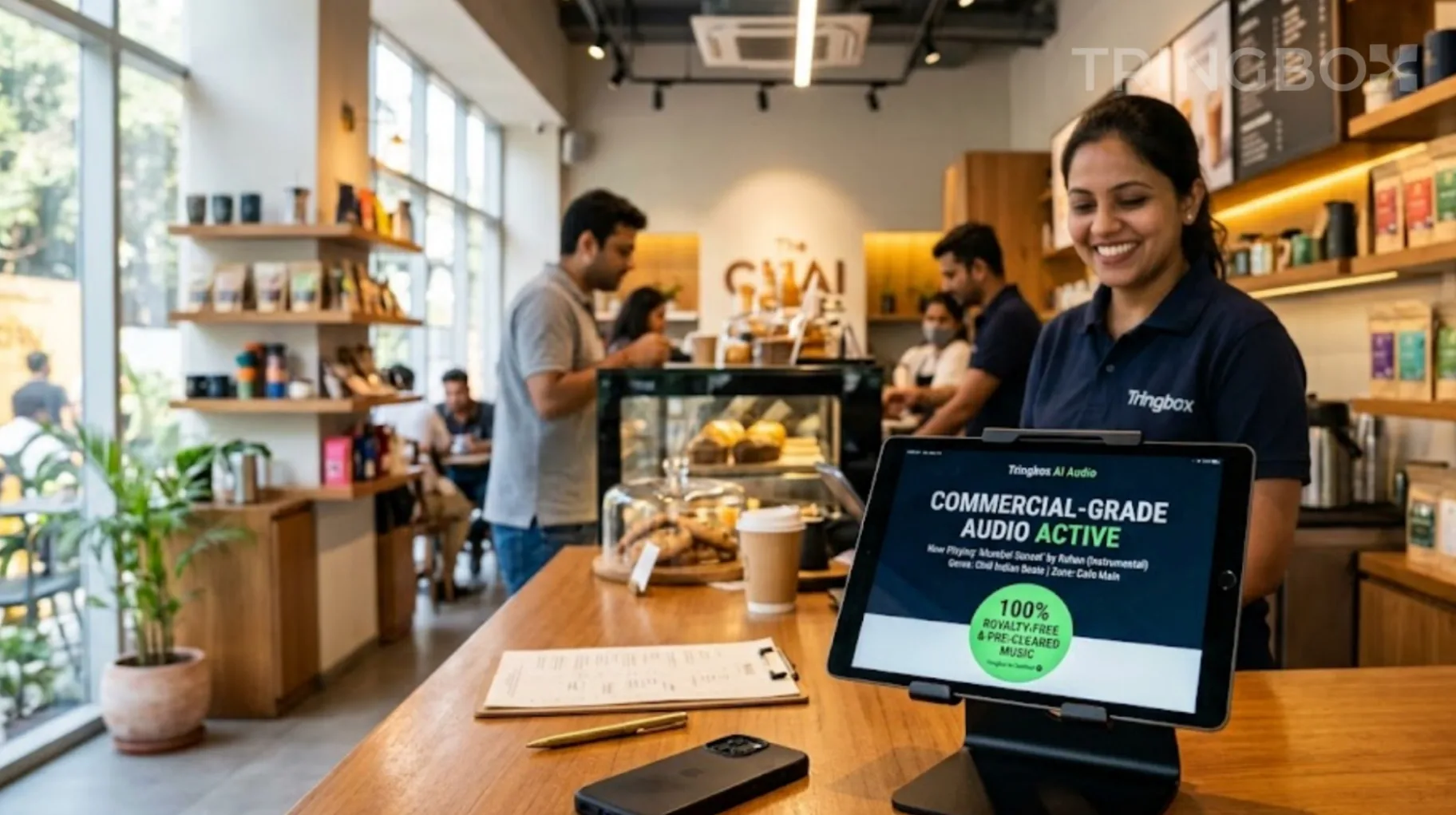
A manager opens a familiar consumer app, connects a phone to the amplifier, and music begins. For a single outlet, this can look like the simplest possible solution because the app is easy, the catalogue is large, and staff already know how to make playlists. However, access for personal listening is not the same as permission for public business use. Spotify explicitly states that its service is only for personal, non-commercial use and cannot be played publicly from businesses such as bars, restaurants, stores, salons, and dance studios. YouTube's terms state that users may listen for personal, non-commercial use and restrict public screening or streaming music unless authorised. For Indian businesses, the question has two parts: does the platform permit the account to be used commercially, and are the necessary rights for public performance of the music covered? A venue needs a clear answer to both. This article explains why consumer streaming is the wrong operational foundation for a commercial space and how to replace it with a professional, 100% royalty-free Agentic AI system like Tringbox.
Commercial Music Licensing in India: IPRS, PPL, Sangeet Dwar and Royalty-Free Options
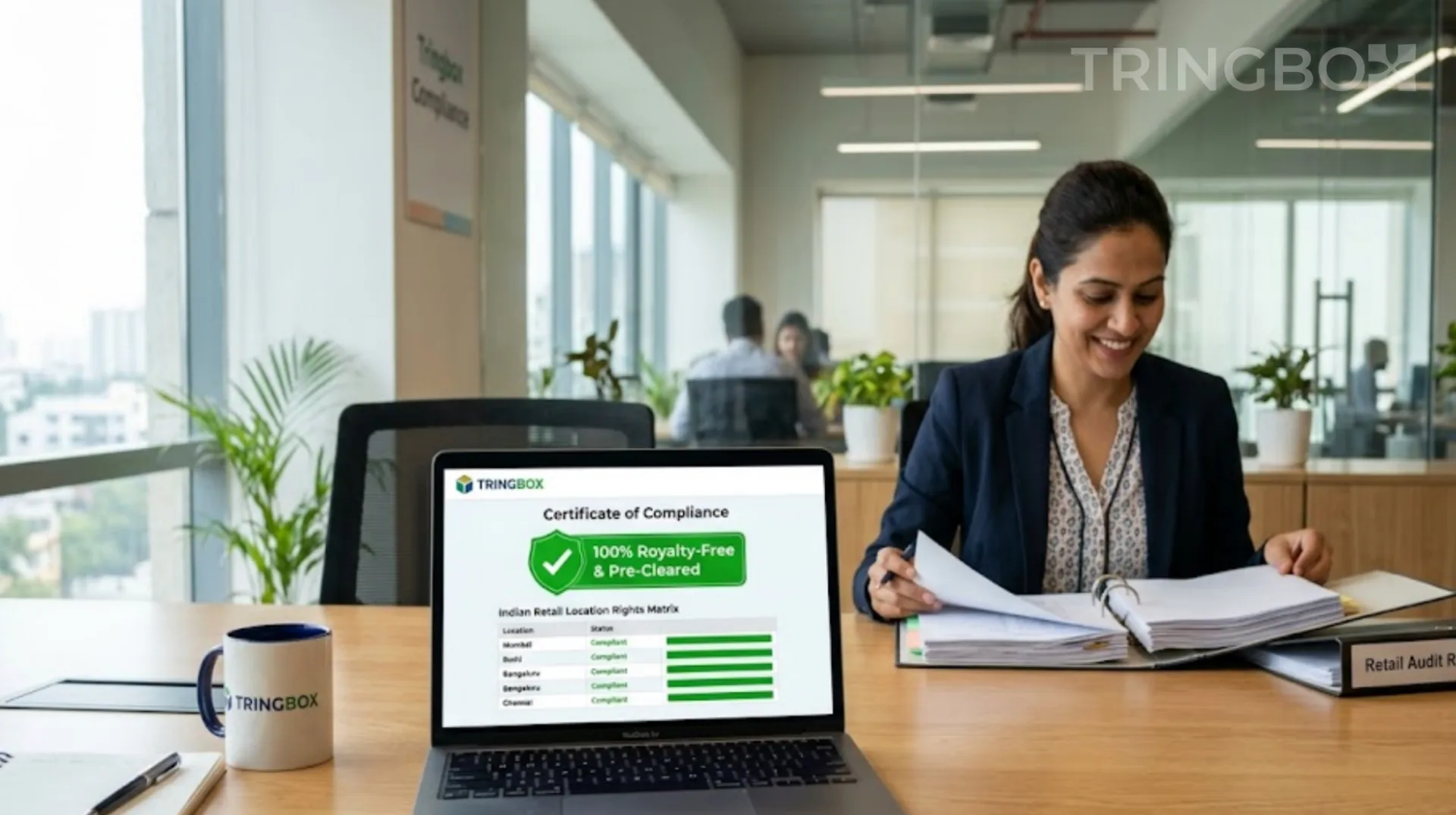
A business does not obtain the right to play music publicly merely because an employee can access a song on their smartphone. Purchasing a digital download, subscribing to a consumer streaming platform, or playing internet radio does not legally permit commercial playback in a Retail Store, Cafe, gym, salon, office, or Hotel Lobby / Reception. Commercial music licensing in India can feel complex because a single track involves multiple rights, several rights holders, and distinct licensing bodies. Furthermore, terms like 'royalty-free', 'public performance', 'copyright-free', and 'licensed' are frequently misused in sales conversations. This comprehensive operational guide clarifies the roles of IPRS, PPL India, and the unified Sangeet Dwar platform, explaining how Tringbox's 100% royalty-free Agentic AI ecosystem eliminates copyright liabilities while elevating your brand atmosphere.